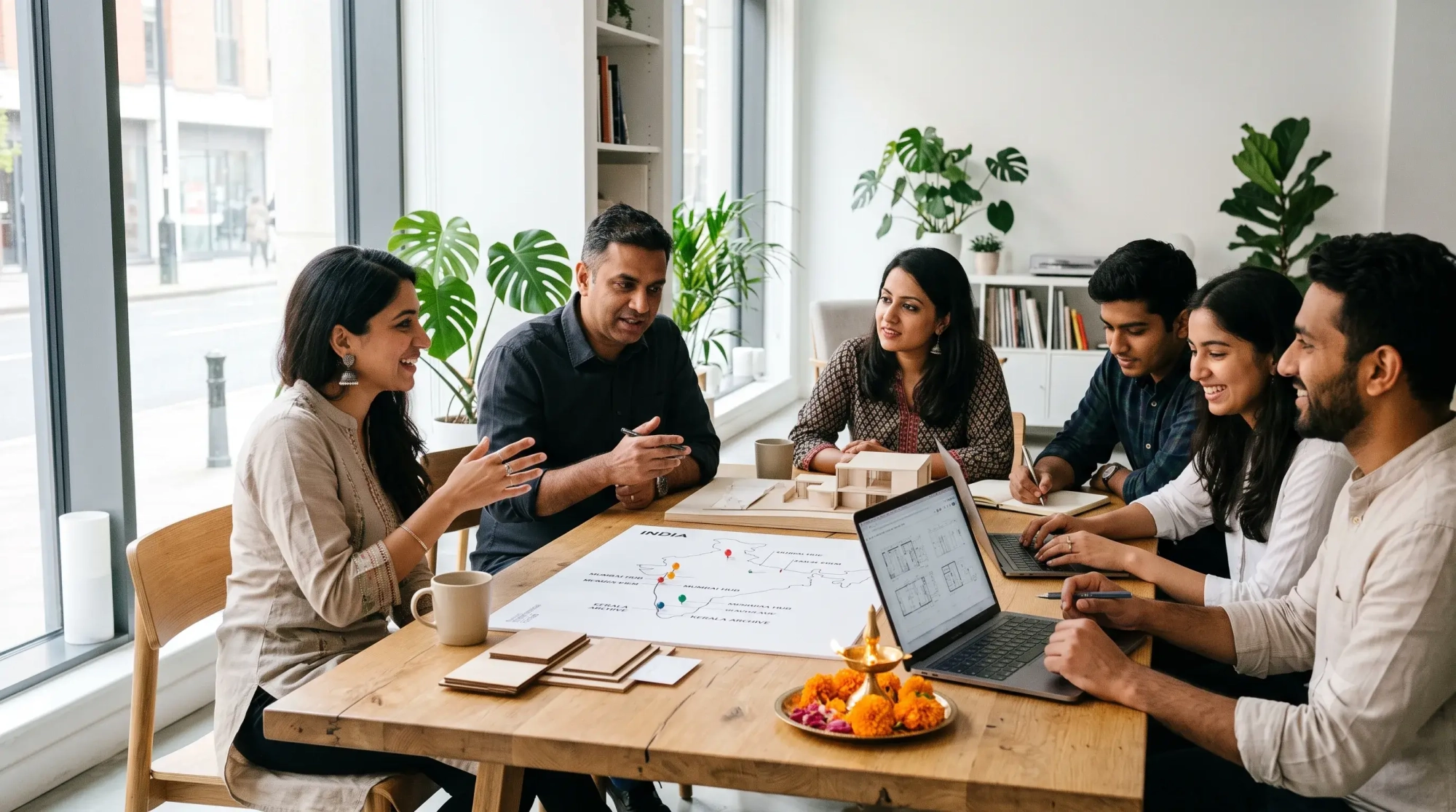
Building a thriving diaspora community requires moving past passive symbolism and focusing on active, structured cultural education. A dedicated Bharat Darshan cultural organization achieves this by being a physical and educational hub where ancient traditions meet the practical realities of suburban American life. It is easy to buy clay diyas online or stream a temple bhajan on a phone. The real challenge is building a sustainable space where a second-generation child feels a genuine connection to their roots while navigating their daily school life in Maryland. This requires a shift from occasional festival celebration to consistent, structured engagement.
When families transition from being passive observers to active participants, the entire dynamic of cultural transmission changes. We see this weekly: a family arrives in Maryland, looking for a sense of belonging. They do not just need a prayer hall: they need a network of peers who understand the balance of living in two worlds. By offering structured classes, cultural events, and volunteer opportunities, a localized center becomes the anchor for this journey. You can learn more about our operational model by exploring our cultural classes, which form the core of our educational initiatives.
Why a physical Bharat Darshan cultural organization beats digital-only connection
The convenience of digital platforms created an illusion of community. During recent years, many assumed that online temple services and remote language classes would suffice for the diaspora. However, virtual screens cannot replicate the sensory realities of cultural preservation. The aroma of freshly ground sandalwood, the resonance of a physical bell during evening aarti, and the simple act of sitting cross-legged on a carpeted floor with fifty other people create memories that a tablet screen cannot produce.
Physical spaces demand a different level of presence. When families drive to a physical center, they make a conscious commitment of time and energy. This physical effort translates into deeper psychological investment. In our Maryland facilities, we observe that the informal interactions occurring in the hallways, over plates of prasadam, or during the setup of a festival are where genuine friendships form. These organic connections are the actual glue of any diaspora group.
Our building layouts must support these informal interactions. A well-designed facility does not dedicate all its square footage to the main prayer hall. It allocates significant space for classrooms, a library, and a communal kitchen. These areas allow for multi-generational transmission: elders teach teenagers how to prepare traditional festival meals, while parents discuss civic engagement in the library. This multi-layered environment is what separates a true community mandir from a simple shrine.
Can you teach heritage without a physical temple?
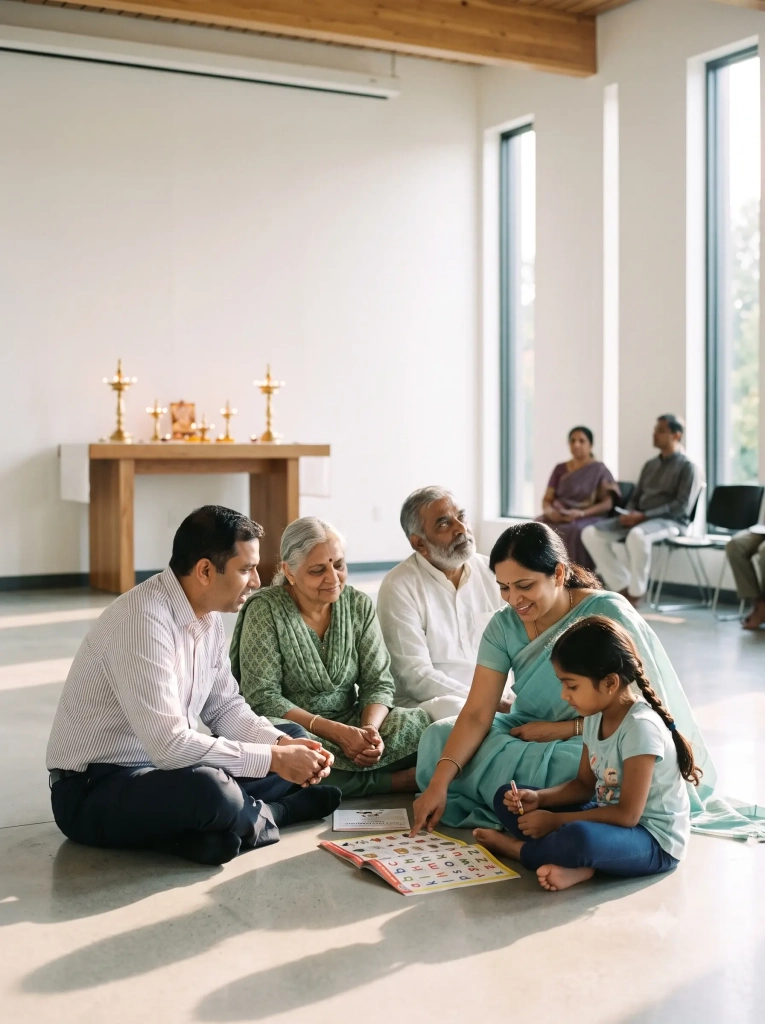
While home altars are essential for daily practice, they lack the peer-group influence that children need to feel normalized in their identity. When a child is the only one in their school class who practices vegetarianism or participates in traditional dance, they can feel isolated. Walking into a physical center and seeing dozens of peers sharing the same practices normalizes their experience. It changes their perspective from feeling different to feeling part of a larger, respected group. This peer validation is difficult to achieve through home study or online videos alone.
The operational blueprint for diaspora engagement in Maryland
Operating a cultural facility in regions like Montgomery County or Howard County presents unique administrative challenges. Unlike institutions in India, a diaspora center must navigate strict local zoning laws, parking limitations, and noise ordinances. Managing these administrative realities requires a professionalized approach to volunteer coordination and temple management. We cannot rely on informal agreements: we must establish clear operational guidelines.
Our weekly programming centers around Sunday morning assemblies. This timing avoids conflicts with Friday evening traffic on major highways and Saturday sports leagues. A typical Sunday begins with a brief communal prayer, followed by structured classes for different age groups. While children attend language or heritage lessons, parents participate in study circles or help with the maintenance of the facility. This simultaneous scheduling ensures that the visit is a productive use of time for the entire household. To see our schedule of upcoming gatherings, check out our calendar of upcoming community festivals.
Funding these operations requires transparency. Diaspora communities are highly educated and expect professional financial reporting. We maintain trust by publishing detailed quarterly reports and ensuring that donations are clearly allocated to specific projects: whether that is expanding the library, upgrading classroom materials, or supporting local charitable initiatives. This financial clarity encourages sustained support from families who want to ensure their contributions are managed responsibly.
Is volunteer burnout avoidable in community centers?
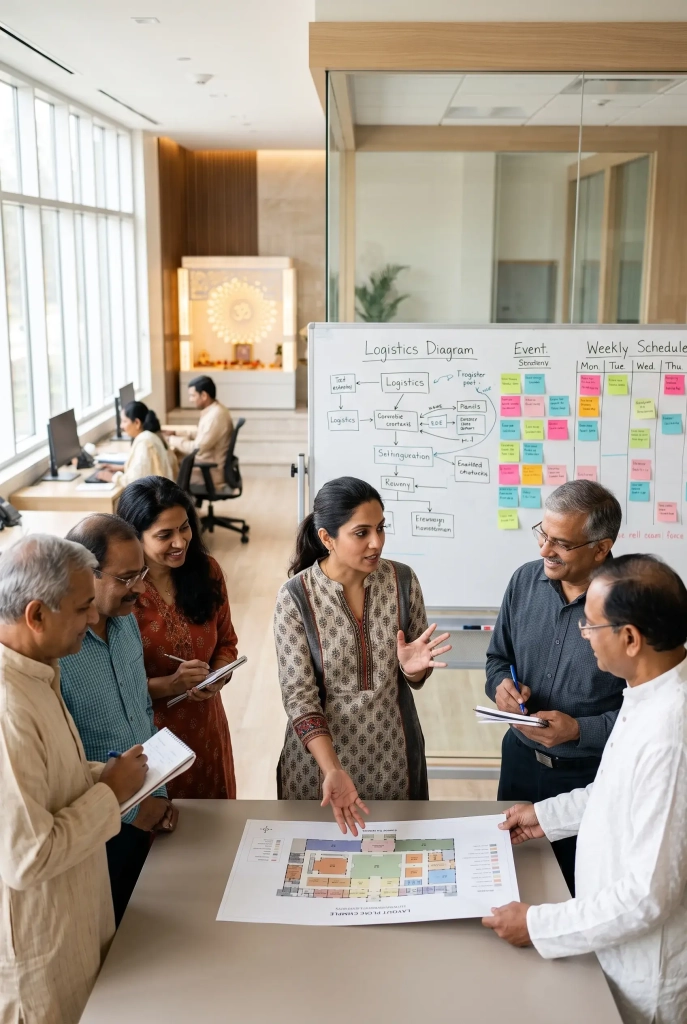
Burnout is a major threat to volunteer-run organizations. To prevent this, we divide large responsibilities into highly specific, time-bound tasks. Instead of asking a volunteer to manage all festival food preparation, we ask them to manage the distribution of water bottles for a specific two-hour shift. This micro-volunteering model reduces the pressure on individuals and allows more community members to participate without feeling overwhelmed by their commitments.
Bridging the gap between ritual and rationale for the next generation
The survival of our traditions depends on our ability to explain the reasoning behind them. Young members of the Maryland diaspora growing up in local environments are trained to think critically in their academic lives. They will not accept rituals simply because they are traditional. They ask hard questions about the symbolism of deities, the purpose of specific rituals, and the ethical stances of ancient texts. Our educational programs must welcome these questions rather than dismiss them.
We train our instructors to present Sanatan Dharma as a living philosophy rather than a set of rigid dogmas. This means discussing how ancient concepts of karma and dharma apply to modern challenges like environmental conservation, social responsibility, and mental well-being. By connecting ancient wisdom with contemporary life, we make the heritage relevant to their daily lives.
This intellectual approach must extend to our cultural celebrations. When we host festivals, we include bilingual explanations of the rituals being performed. We provide printed or digital guides that explain the historical context and philosophical meaning of each step. This ensures that attendees of all ages and backgrounds can participate with understanding rather than just observing empty forms.
Do youth programs keep young adults connected?
Traditional youth programs often fail because they treat high school and college students as passive recipients of instruction. To keep young adults engaged, we must give them real responsibility. This means allowing them to lead community service projects, manage our digital communications, or mentor younger children in our educational programs. When they are given genuine agency, they develop a sense of ownership over the institution, which carries over into their adult lives.
Our work is about building a living bridge between generations. If you are looking for a supportive environment to raise your family with strong cultural roots, our Bharat Darshan cultural organization is ready to welcome you. We invite you to attend our next Sunday assembly and see our programs in action. To learn how you can participate or support our mission, please get involved with our community programs today.
Connect with Your Heritage
Join the Bharat Darshan family in Maryland to preserve, celebrate, and pass on our rich cultural traditions. Whether you wish to volunteer, enroll in classes, or attend our weekly assemblies, your presence makes a difference.
Frequently asked questions
What age groups do your cultural classes support?
Our educational programs support children from ages four through eighteen, with classes divided into age-appropriate cohorts focusing on language, history, and philosophical concepts.
How can non-Indian spouses participate in your events?
All our events, educational materials, and rituals feature English translations and introductory guides to ensure that spouses of all backgrounds feel welcome and fully included.
Do you offer volunteer opportunities for high school students?
Yes, we offer structured volunteer opportunities that qualify for student service learning hours, allowing high schoolers to build leadership skills while supporting community initiatives.
How is your curriculum structured for children who do not speak Indian languages?
Our heritage and philosophical classes are conducted in English, with gradual and supportive introduction to Sanskrit terminology and regional languages to build confidence step by step.
Can we host private family ceremonies at the cultural center?
Yes, our facilities are available for booking private cultural ceremonies and milestones, subject to availability and alignment with our community guidelines.